
If your garage door opener stopped working after a power outage, the fix is usually simpler than you think. In most cases, you just need to unplug the opener for about 30 seconds to reset its logic board, re-engage the trolley if it was disconnected, realign the safety sensors, and reprogram your remote. Power outages can scramble the opener’s internal settings, trip a circuit breaker, or disconnect the trolley from the motor carriage, but none of these problems require a full replacement. This guide walks you through every step clearly, so you can get your garage door working again without calling anyone (unless you genuinely need to).
Why Does a Power Outage Affect Your Garage Door Opener?
This is a question many Wichita homeowners ask, and it makes total sense to wonder. Your garage door opener is essentially a small computer with a motor attached. When power cuts out suddenly, especially during a Kansas thunderstorm, a few different things can go wrong at once.
When electricity returns after an outage, a power surge can damage the opener’s circuitry. The opener can also lose its programmed settings, including remote codes and travel limits. In some cases, the power surge triggers built-in safety mechanisms that prevent the door from operating until it is manually reset.
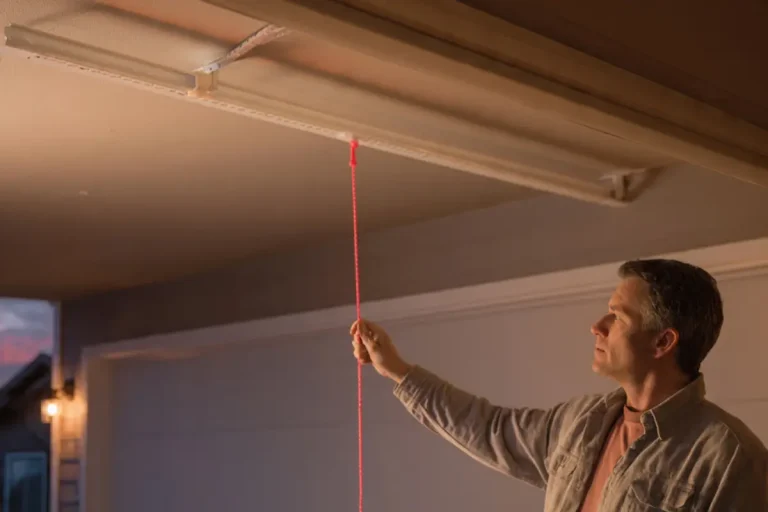
Many homeowners pull the red emergency release cord during a power outage so they can operate the door manually. This action physically disconnects the trolley from the motor carriage. Until this connection is restored, the opener will not be able to move the door automatically even after power comes back.
One more thing worth checking before you do anything else: the batteries in your remote control and keypad. Dead or weak batteries can perfectly mimic the symptoms of a power outage problem, even after electricity has been fully restored.
So before assuming the worst, take a slow breath and work through the checklist below.
Step 1: Check the Circuit Breaker First
A tripped breaker is one of the most common reasons a garage door opener refuses to work after a power outage. Sometimes the breaker does not appear visually tripped, but flipping it off and back on is enough to restore power to the opener.
Go to your electrical panel, find the breaker labeled for the garage, and reset it. If it trips again immediately, stop and call an electrician; it’s a wiring problem, not a garage door problem.
Also check the outlet the opener is plugged into. Unplug the opener and plug in a lamp or phone charger to test the outlet. If nothing powers on, your GFCI outlet may have tripped. Look for a GFCI outlet nearby (usually near the garage door or in the utility area) and press the reset button on its face.
Read This Also: Wichita Garage Door Springs Explained: Torsion vs Extension Differences & How to Identify Yours
Step 2: Reset the Opener’s Logic Board
The most effective first action after confirming power is restored is to force the opener to reload its logic board program. Unplug the opener from the ceiling outlet, wait a full 30 seconds, then plug it back in. If the opener has a backup battery inside a compartment on the power head, disconnect that as well before unplugging.
This soft reset clears any corrupted state the unit may have entered during the outage. After plugging it back in, wait for any indicator lights to stabilize before testing the remote or wall button.
Step 3: Re-Engage the Trolley If You Used the Emergency Release
This is the step most people overlook, and it is almost always the reason the opener runs but the door does not move.
When you pull the red emergency release cord, it disconnects the trolley from the motor carriage. To restore automatic operation, make sure the door is fully closed first. Never attempt reconnection while the door is open or partially open. Then press the opener button. As the opener runs, the trolley slides back into the carriage, and you should hear a distinct click when it locks back into place.
Once reconnected, run the opener through a full cycle by opening and closing the door completely. Listen carefully for any unusual sounds. A single clean click confirms the door is locked back onto the track and ready for automatic operation.
If the click never comes, the trolley hook or carriage may be worn or bent. At that point, a professional inspection is the right call.
Step 4: Check and Realign the Safety Sensors
If the motor runs but the door reverses immediately or stops after moving just a few inches, the issue is almost certainly the safety sensors. Misaligned or obstructed sensors are not a reset problem — they are a physical alignment issue that must be addressed separately.
The two sensors sit near the bottom of the door tracks on either side, facing each other. One sends an infrared beam and the other receives it. When they are properly aligned, both indicator lights should be solid — usually one green and one amber. If either light is blinking or off, gently loosen the wing nut on the receiving sensor, reposition it until the light goes solid, and retighten.
Wipe the sensor lenses with a clean cloth as well. Dirt and debris from a storm can block the beam just as effectively as misalignment.
If you are dealing with recurring sensor issues, our team at Wichita Garage Door Experts handles garage door sensor repair Wichita, KS, quickly and affordably.
Step 5: Reprogram Your Remote and Keypad
A power outage can cause the opener to lose its remote programming entirely, meaning it will no longer recognize your remote or keypad even after everything else is working correctly.
To reprogram a standard remote:
Locate the “Learn” button on your opener’s motor unit. It is usually on the back or side of the power head and is often a small colored button. Press and release it — a light will illuminate for about 30 seconds. Within those 30 seconds, press and hold the button on your remote until the opener’s light blinks or you hear two clicks. That confirms the remote has been paired.
For a keypad, press and hold the “Learn” button on the opener, then enter your desired PIN on the keypad and press the Enter key until the opener blinks.
If you are dealing with a smart opener connected to an app like myQ, you may also need to reset your router and re-pair the opener through the app after restoring the Wi-Fi connection.
Read This Also: Garage Door Making a Loud Popping Noise: Common Causes Explained
What If the Opener Still Does Not Work?
If you have worked through every step above and the opener is still unresponsive, there are a few more things to consider before calling for help.
The opener may have suffered a power surge. Sudden power restoration can send voltage spikes through your home’s electrical system, potentially damaging the opener’s motor or logic board — particularly if the unit is not plugged into a surge protector. A surge protector is a smart, inexpensive investment for any garage door opener.
The backup battery may be dead. Signs of battery failure include the opener beeping without moving the door, an LED indicator showing a low battery warning, or the remote failing to operate the door even after power is fully restored. Replacement batteries for most openers are available at any hardware store.
The door itself may have a mechanical issue. Springs, cables, and rollers can all be stressed during a storm or power event. If the door feels heavy when you lift it manually, or if it wobbles on the tracks, the opener is not your primary problem. In that case, stop forcing it and get a technician involved.
For urgent situations where you cannot wait, our emergency garage door repair service in Wichita is available 24 hours a day, 7 days a week.
How to Open Your Garage Door Manually During a Power Outage
Sometimes you need to get out before the power ever comes back. Here is how to do it safely.
Before pulling the emergency release cord, make sure the door is completely closed. If the door is partially open when you disengage the trolley, it may slam shut suddenly, causing damage or injury.
Once you confirm the door is in the closed position, locate the red-handled emergency release cord hanging from the trolley above the center of the garage door. Pull it toward you firmly. This disconnects the door from the motorized carriage.
Now you can lift the door by hand. Lift slowly and evenly. If it feels extremely heavy or unbalanced, do not force it — a broken spring may be involved, and that is a safety hazard requiring professional attention.
To close the door manually after leaving, pull the door down fully and make sure it rests in the down position before you lock it from the outside using the manual lock on the door if available.
Read This Also: Why Does My Garage Door Only Open Partway? Causes, Fixes, and When to Call a Pro
Garage Door Opener Brand Specific Reset Notes
Most modern openers follow the same general reset logic, but a few brand specific differences are worth knowing.
LiftMaster and Chamberlain: These units often have a smart control panel with its own diagnostic display. After a power event, the display may show an error code. Check your manual for what the code means before resetting blindly. MyQ-connected models may also need to be re-paired through the app.
Genie: Genie openers use a “Program” button instead of a “Learn” button. The pairing process is essentially the same but the button label differs.
Craftsman: Many Craftsman openers share the same internal platform as LiftMaster and follow the same reset steps.
Linear and Overhead Door: These units tend to hold programming more reliably through power events, but a full unplug reset is still the recommended first step.
If your opener is older than 10 to 15 years, a power surge may have simply pushed it past its lifespan. In that case, garage door opener installation in Wichita with a modern, energy-efficient unit might be a smarter investment than repeated repairs.
Quick Prevention Tips for Future Power Outages
Once your opener is back up and running, a few small changes can protect it from the next outage.
Plug your opener into a quality surge protector rated for at least 1,000 joules. This alone can prevent the most common type of post-outage damage. If your opener does not have a battery backup feature built in, consider upgrading to a model that does — it means you can operate the door normally even when the power is completely out. Also, label your garage circuit breaker clearly in your electrical panel so you can find and reset it quickly next time. And make sure everyone in your household knows where the red emergency release cord is and how to use it safely.
When to Call a Professional
Most of the fixes above are genuinely DIY-friendly. But there are situations where trying to push through on your own can cause more damage or create a safety risk.
Call a professional if the door will not stay balanced when you lift it manually, if you hear grinding, popping, or snapping sounds from the spring area, if the opener runs but the door is visibly off the tracks, if a breaker trips repeatedly after resetting, or if the logic board or motor shows signs of burning or smells like it was damaged.
At Wichita Garage Door Experts, we serve Wichita, KS homeowners with same day availability and honest, upfront pricing. Whether it is a simple reset that needs a second set of eyes or a full opener replacement after a bad storm, we are ready to help.
Frequently Asked Questions
Why does my garage door opener hum but not move after a power outage? The trolley is most likely disconnected from the motor carriage. Follow Step 3 above to re-engage it. If it still hums without moving after re-engagement, the motor capacitor may have been damaged by the power surge.
Do I need to reprogram all my remotes after a power outage? Not always. Many openers retain remote programming through brief outages. If your remotes are not working after the power is restored, check the remote batteries first, then reprogram if needed.
Can a power outage permanently damage a garage door opener? Yes, in cases where a significant power surge occurred. Logic boards and motor capacitors are the most vulnerable components. If your opener shows no signs of life after a full reset and the outlet is confirmed working, the unit may need professional diagnosis or replacement.
How long does it take to reset a garage door opener after a power outage? For most homeowners, the entire process takes 10 to 20 minutes if the issue is limited to a disconnected trolley or lost remote programming. Sensor realignment adds another 5 to 10 minutes.
Should I leave the emergency release cord pulled if the power is out for a long time? You can leave it disconnected while the power is out, but close the door first and secure it manually if possible. Re-engage the trolley as soon as power returns.
